


schneider

Price range: 1.854,10 EGP through 7.173,70 EGP
Comprehensive guide and physical architecture of the Schneider Electric TeSys thermal overload relay: dual-mode motor protection and operating stability
Introduction to overload-protection systems and their role in industrial and commercial panelsReliable motor protection is essential for safe and continuous operation in industrial and commercial facilities, particularly where inductive loads can be damaged by prolonged overcurrent and excessive heating. The Schneider Electric Schneider Electric TeSys Thermal Overload Relay provides a reliable engineering solution combining bimetal thermal sensing with automatic control-circuit tripping to protect motors through Gahzly.
Engineering and physical architecture of the TeSys overload relay
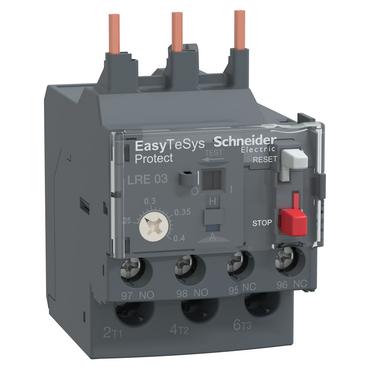
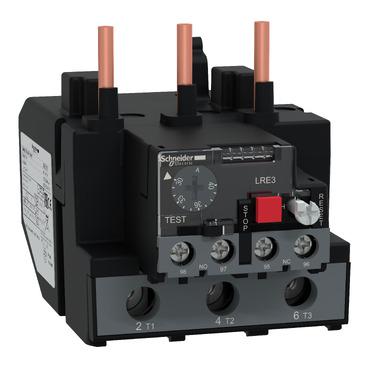
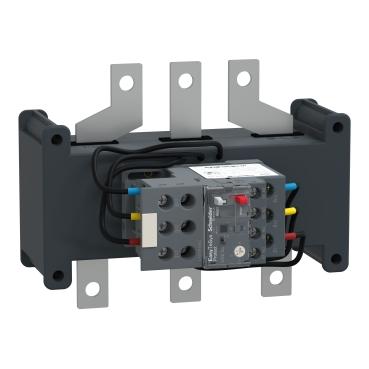
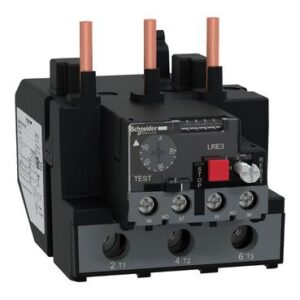
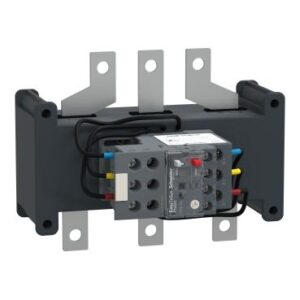
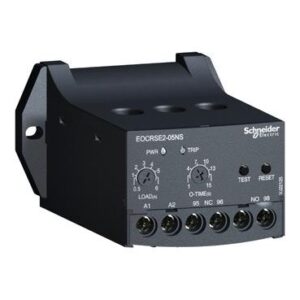
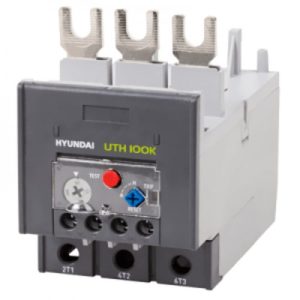
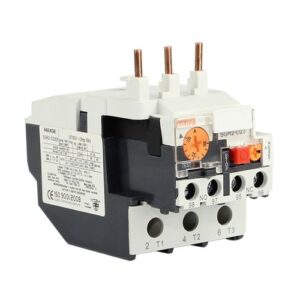
High-accuracy bimetal technology for detecting excessive temperature riseThe enclosure usesSchneider Electric TeSys thermal overload relaya rigid molded polymer body with additional internal depth for compatible control components and wiring.uses high-accuracy bimetal technology designed to detect excessive temperature rise caused by overload or stalled operation inside industrial and commercial panels through Gahzly. The thermal-mechanical design responds directly to heat generated by sustained overcurrent through the relay current paths.
Please sign in to submit a product report.
- Description
- Reviews
Description
Comprehensive guide and physical architecture of the Schneider Electric TeSys thermal overload relay: dual-mode motor protection and operating stability
Automatic interruption of the control circuit when safe operating limits are exceeded
These units automatically interrupt the operating circuit when calibrated safe limits are exceededwithin the installation.Gahzly, by changing the auxiliary-contact state when the bimetal elements deflect from excessive heating, which removes the control signal from the main contactor and stops the motor.
Integrated protection to reduce the risk of motor overheating and damage
providing integrated protection that helps prevent motor overheating and supports reliable operationwithin the installation.Gahzly, protecting motor windings from sustained excessive current or stalled-rotor conditions.
Advanced design features of Schneider Electric TeSys overload relays
Bimetal-strip engineering, ambient-temperature compensation, and current adjustment
The TeSys range uses bimetallic strips made from metals with different thermal expansion rates. When current exceeds the calibrated value, the resulting heat bends the strip and operates the mechanical trip mechanism. The relay also uses ambient-temperature compensation to reduce nuisance tripping caused by environmental temperature changes, together with an adjustable overload setting that should be matched to the motor rated current.
Operating mechanism and functional interaction of the TeSys overload relay
The principles behind thermal deflection and control-circuit interruption
The overload relay responds to current flowing through the motor circuit. Under normal conditions, current passes through the relay without producing enough heat to reach the trip threshold. During a sustained overload, the bimetal elements heat and deflect until the mechanism changes the auxiliary contacts, typically opening the NC control contact and optionally closing the NO indication contact, causing the contactor to disconnect the motor.
Installation and field connection engineering for the TeSys overload relay
Direct mounting below the main contactor
Installation begins by fully isolating the electrical supply and verifying absence of voltage, then connecting the TeSys overload relay directly below the compatible main contactor and securing the power terminals and mechanical mounting.
Connecting the control circuit to the overload relay auxiliary contacts
The control circuit, such as the contactor-coil supply path, is wired through the overload relay NC auxiliary contact. The current-setting dial is then adjusted to match the motor nameplate current inside industrial and commercial panels through Gahzly.
Technical specifications and functions table
| Technical specification | Primary function | Practical benefit to the user |
|---|---|---|
| Bimetallic protection technology | Monitoring heat produced by overcurrent using bimetal elements | Reliable response to motor overheating and protection against sustained overload damage |
| Adjustable current-setting dial | Setting the protection current to match the motor rating accurately | Flexible matching of the overload relay to different motor current ranges |
| Auxiliary contacts (NC / NO) | Opening the control circuit on trip and providing indication or alarm signals | Automatic motor shutdown and fault or overload indication |
| Test and reset controls (Test/Reset) | Manual testing of the trip mechanism and resetting the relay after the fault is cleared | Convenient periodic testing and safe recommissioning after maintenance |
Objective advantages and limitations
High-accuracy bimetal technology for detecting excessive temperature rise inside industrial and commercial panels through Gahzly.
Automatic interruption of the operating circuit when safe motor-protection limits are exceeded through Gahzly.
Integrated protection that helps prevent motor overheating and supports reliable operating continuity.
Choice of manual or automatic reset to suit the operating requirements of the application.
Requires accurate current-setting adjustment to match the motor full-load current and avoid nuisance tripping or insufficient overload protection.
Designed for motor overload and phase-related protection; it does not replace an upstream MCCB or MCB for high short-circuit currents.
Suitable and unsuitable applications
Protection of three-phase induction motors against overheating caused by mechanical overload inside industrial and commercial panels through Gahzly.
Protection of water pumps, compressors, and industrial production lines subject to variable operating loads.
Fan and conveyor circuits requiring continuous protection against stalling.
Not suitable for use alone as protection against direct short-circuit faults.
Installation in areas exposed to excessive moisture or dust without a suitable enclosed panel.
Safe operation and installation method
Complete Electrical Isolation: Fully isolate the electrical supply to the panel and verify absence of voltage inside industrial and commercial panels through Gahzly.
Direct mounting below the contactor: Connect the TeSys relay terminals below the main contactor and tighten the connections correctly.
Setting the thermal current dial: Set the adjustment dial to the actual rated operating current of the connected motor.
Connecting control wiring and testing the system: Wire the auxiliary control contacts into the coil circuit, restore power, and test protection using the Test function inside industrial and commercial panels through Gahzly.
Important safety notice: Incorrect overload-current adjustment can either leave the motor insufficiently protected or cause repeated nuisance trips. Match the setting carefully to the motor rated current.
Maintenance, cleaning, and extending service life
Periodic visual and thermal inspection: Regularly inspect the overload relay and terminals with thermal imaging for abnormal heating caused by poor connections.
Checking terminal tightness: Periodically verify terminal screws to account for vibration from motors and machinery.
Internal panel cleanliness: Keep the panel free from dust and deposits to maintain ventilation and avoid affecting the bimetal mechanism.
Periodic trip-mechanism testing: Use the Test button periodically to confirm correct operation of the auxiliary trip contacts and control circuit.
Important advice before purchase
Verifying the relay current range against the motor: Confirm that the TeSys relay current range covers the motor rated current before purchase inside industrial and commercial panels through Gahzly.
Verifying mechanical compatibility with the contactor: Confirm that the overload-relay model is designed to fit the main contactor series in use before purchase inside industrial and commercial panels through Gahzly.
Use Genuine, Traceable Products: Source genuine Schneider Electric TeSys products through Gahzly to ensure verified engineering quality and safe motor protection.
Comprehensive conclusion
The Schneider Electric TeSys thermal overload relay is an essential protection component for maintaining and extending motor service life in industrial and commercial panels. Its calibrated bimetal technology, ability to detect sustained thermal overload, and automatic control-circuit trip function provide dependable protection against motor overheating. Choosing the original product and sourcing it through Gahzly is a practical step toward improving infrastructure reliability and protecting industrial assets.
Show only reviews in English (0)
Be the first to review “schneider”
You must be logged in to post a review.
Product Questions & Answers
No questions yet. Ask the supplier about specifications, compatibility, certifications or installation requirements.




Reviews
There are no reviews yet.