How to choose LED flood lights
How to choose LED flood lights Proper Outdoor How to Choose LED Floodlights Floodlights, also known as security lights, They are strategically placed to provide high-quality illumination to areas such as highway sign lighting , lighting billboards, building facades, and other similar…
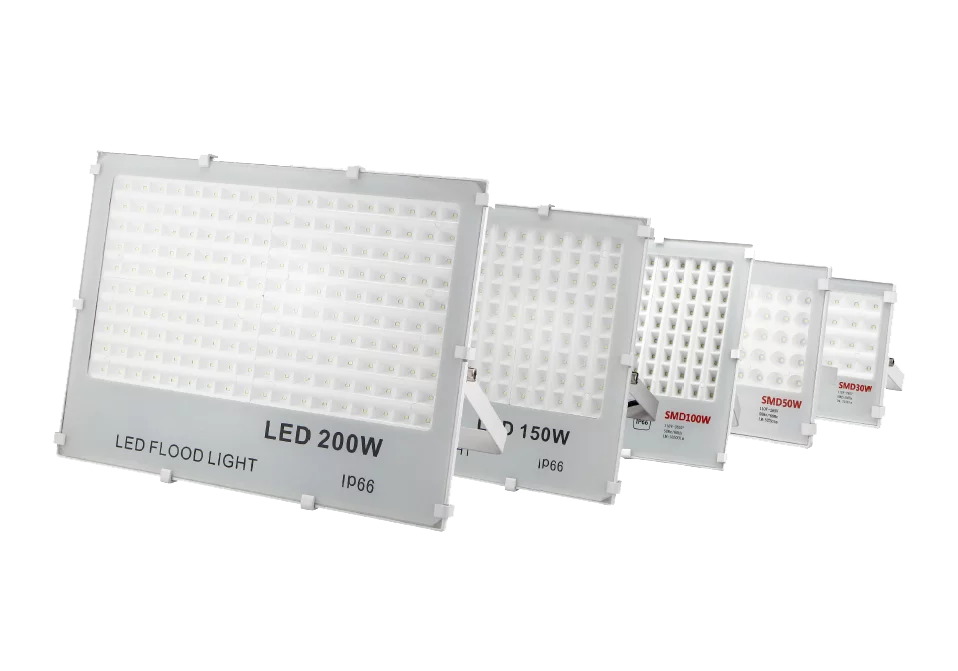
How to choose LED flood lights
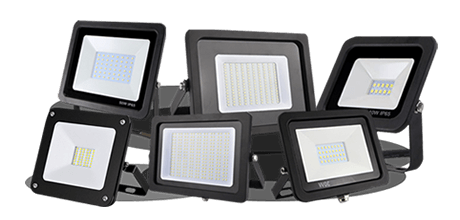 Proper Outdoor How to Choose LED Floodlights
Floodlights, also known as security lights,
They are strategically placed to provide high-quality illumination to areas such as highway sign lighting
, lighting billboards, building facades, and other similar applications.
Targeting the right flood light for different applications can be difficult due to the number of options available for these lighting fixtures.
Here are some features to consider when deciding which outdoor LED flood lights are right for you.
 Lumines
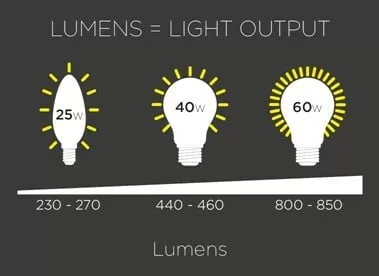
With new bulbs, shopping by lumens is more important than shopping by watts when choosing which energy efficient bulb to purchase.
While wattage measures the amount of energy required to light products, lumens measure the amount of light produced.
This means that the higher the lumens of the product, the brighter the light source.
Instead of purchasing products based on how much energy they consume (watts),
Consumers should think about the amount of light they give us (lumens).
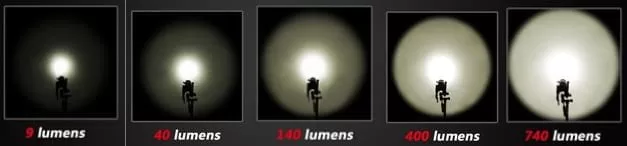
What are Lumens?
Think of lumens as a “new” To see how bright the lamp is.
Lumen = light emission.
In simple terms, Lumens (denoted lm) are a measure of the total amount of visible light (to the human eye) from a lamp or light source.
The higher the lumen rating, the “brighter” the bulb will appear.
 We’ve all purchased traditional 50-watt or 60-watt bulbs or flashlights in the past and expect a certain level of brightness.
This incorrectly correlates power consumption (watts) to light output.
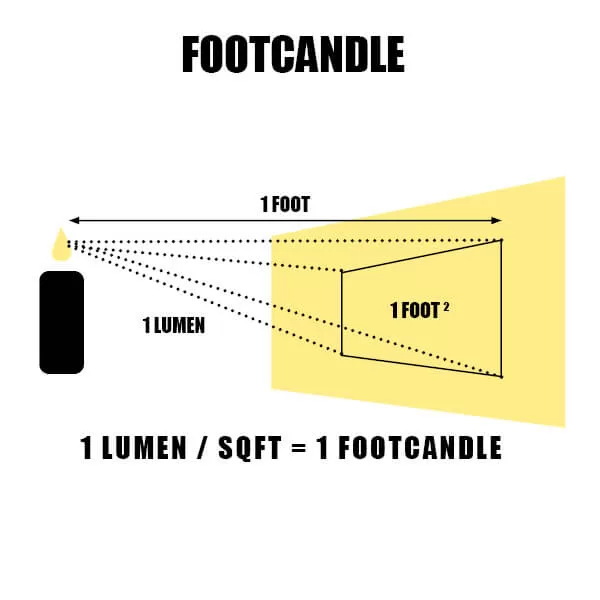 More light and less power (watts) with LED
With low power LEDs, more light output can be achieved with less power consumption.
For example, it will give a 6.5W LED lamp
Light output similar to a 50W halogen bulb.
That’s 87% less energy for the same light output!
When using an LED, more energy is converted into light rather than heat.
As technology improves, more lumens will be produced using less than a watt – i.e. more lumens per watt.
As a result, using watts as a guide to brightness is no longer appropriate.
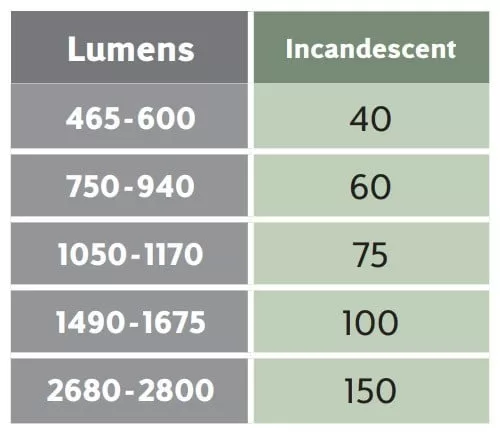 LED lumens
To achieve the same light output of a traditional 60 watt bulb, you will need an LED with about 800-850 lumens.
All integrated LED bulbs have a lumen rating clearly marked on the packaging and on the bulb base.
We also provide a conversion guide to “old watts” On the package, for example 11.5W LED = 60W conventional.
Below is a rough guide to help you determine the lumen rating of your LED replacement bulb.
Lumens per watt (lm/W)
This number is a useful way to measure the effectiveness of lighting products by measuring the total light output in lumens divided by the energy use in watts.
you can think
This is similar to the miles per gallon in a car
, as higher lm/W means higher efficiency and lower operating costs compared to similar models but
Least efficient.
For example, the integrated high-efficiency LED panel + backlight delivers a light output of 3,500 lumens for 23 watts of power.
3500lm/23W = 152lm/W
In contrast, an edge-lit but less efficient LED panel may provide 3,600 lumens for 45 watts.
3600lm / 45W = 80lm / W
In simple terms, a 152lm/W panel is 51% cheaper to run than an 80lm/W panel.
We recommend making lm/W one of the first things you look at when choosing LED panels.
Useful lumens and lumens
For non-directional lamps such as globe, golf ball, or candle-shaped, the total lumen output is calculated for all directions.
With a directional bulb such as a GU10 spotlight
, light is emitted in many directions, some of this light may not be (spilled light)
Useful but is calculated in the total lumen rating.
To make comparisons fairer and easier, the European Union recently introduced a “useful lumen” rating.
This is a measurement of useful light emitted in a uniform 90 degree cone (see image).
The “useful lumen” rating is usually Less than total lumen output,
But it is more closely related to a flashlight where the useful light is in the direction of front focus.
| Old Watts | Approx Lumens |
| 25 W | 230 – 270 Lamp |
| 35 W | 250 – 280 Spotlight 200 – 300 Useful Lumens 390 – 410 Lamp |
| 40 W | 440 – 460 Lamp |
| 50 W | 330 – 400 Spotlight 350 – 450 Useful Lumens |
| 60 W | 800 – 850 Lamp |
| 75 W | 1000 – 1100 Lamp |
| 100W | 1500 -1600 Lamp |
How many lumens do I need?
There is no definitive answer – it will depend on a number of factors including; Room size and shape,
Ceiling height, color scheme, type of lamps and installation, task areas and user needs.
As a basic guide; Below are the lumens required per square meter (10.76 square feet) for different room settings.
In many cases, a combination of general and task lighting will be needed.
| Region | Lumens/Sq M |
| kitchen | 300-400 |
| kitchen (task) | 700-800 |
| Living room | 400-500 |
| the hallway | 300 |
| Bedrooms | 300-400 |
| bedroom (important) | 700-800 |
| Bathroom | 500-600 |
| Bathroom (mission) | 700-800 |
| Reading area | 400 |
electric power
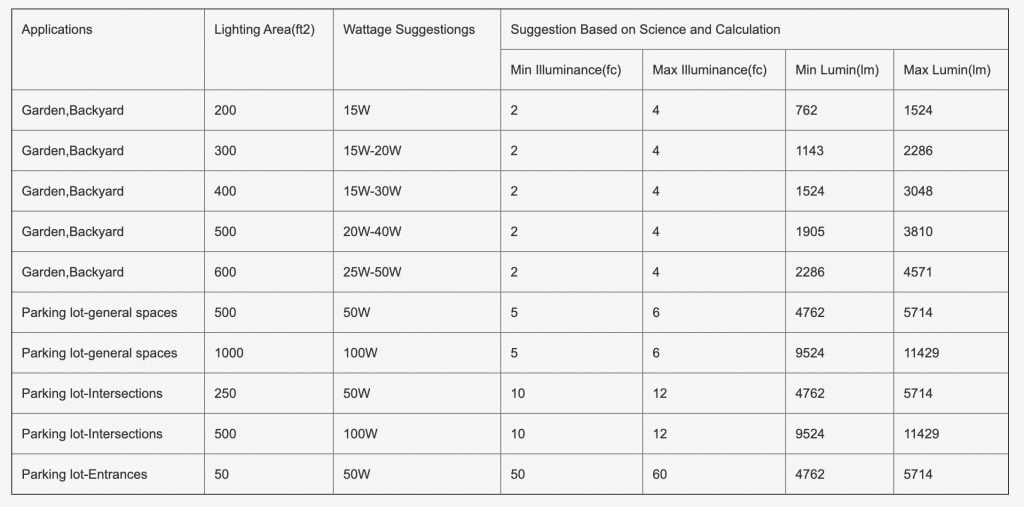
Wattage is a measure of a bulb’s energy consumption — not how much light it puts out.
Energy saving bulbs use fewer watts to give the same amount of brightness (lumens).
For this reason, LEDs (which typically have low wattage when compared to lumens) don’t help.
Not only does it reduce energy use, but it also helps lower your electricity bills.
Determine the watts of the power supply.
You will need to know the amps and volts of the power supply.
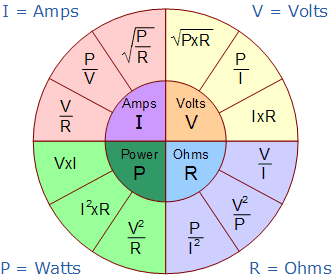
To determine wattage, use a simple multiplication formula.
An ampere (or ampere) is the amount of electricity used.
Electric voltage measures the force or pressure of electricity.
A watt equals an ampere multiplied by a volt.
This is it! In other words, watts = amps x volts.
Sometimes you’ll see this formula written as W = A At 330 watts (watts).
The equation is P = 3A
Circuit breakers usually have amperes written on their handles.
This is the maximum current the circuit can take before the circuit breaker trips.
You can also determine both volts and amps by looking at labels or in operating manuals.
You can search for common numbers for standard devices
 (Most small appliances and lighting fixtures in homes require circuits ranging from 15 to 20 amps and larger ones from 20 to 60.
However, most countertop household appliances are rated for 120 volts and are operated using 12 amps or less.
Larger appliances such as ranges and clothes dryers require more power and are connected to circuits
They are wired at 240 volts and can draw 20 to 40 amps depending on a number of factors.
Household wiring is usually 120 or 240 volts in North America.
Color temperature
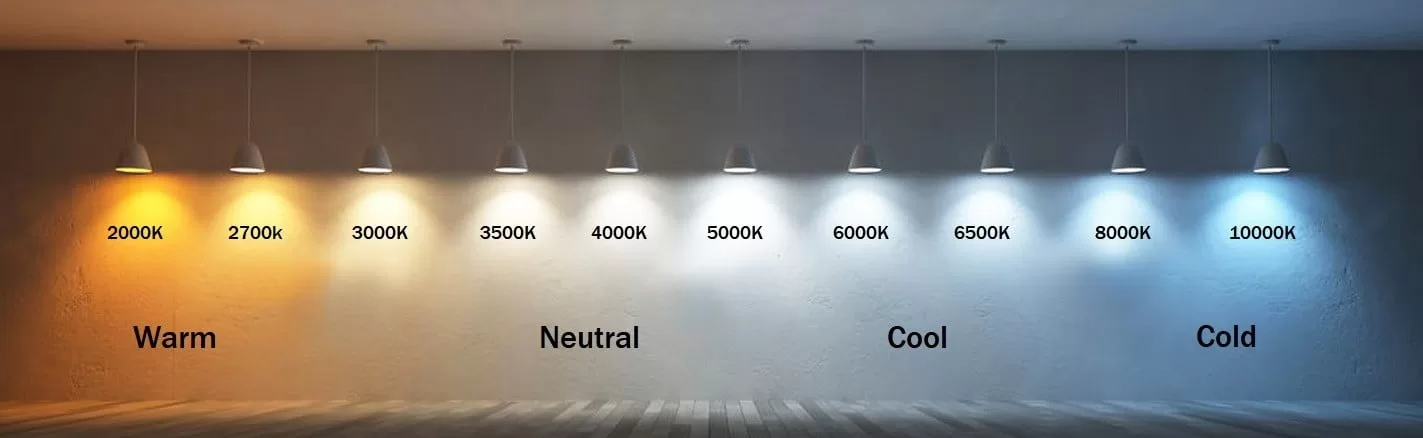
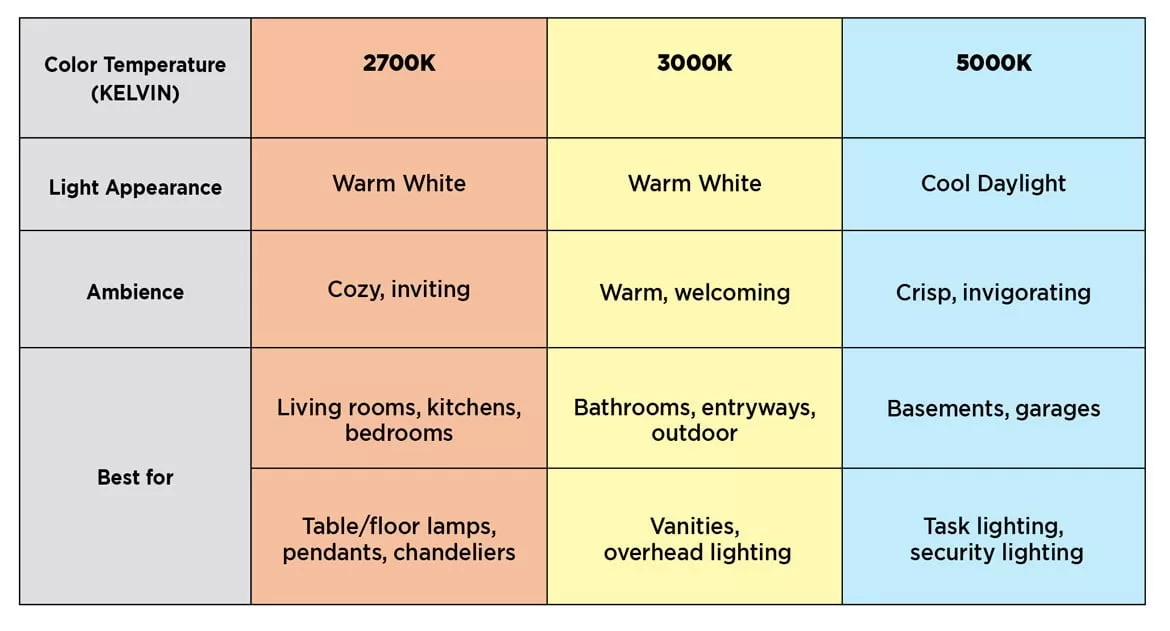
Color temperature refers to the color appearance of light coming from a light source.
It is an important performance attribute to evaluate when evaluating LEDs because color temperature creates the condition
The mood of the space it illuminates can therefore influence purchasing behavior or business performance.
The apparent color of a light source is measured in Kelvin. The higher the Kelvin temperature, the whiter the light.
What is color temperature?
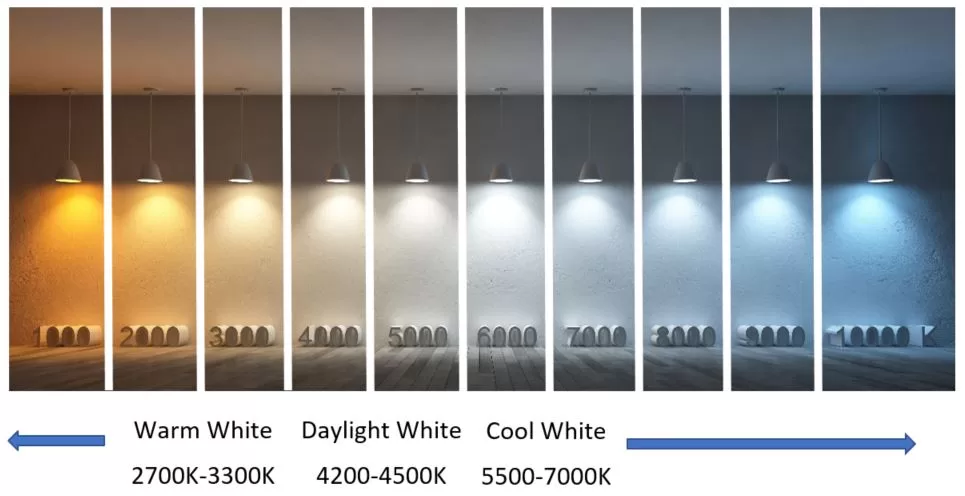
Color temperature is a way of describing the appearance of light provided by a light bulb.
It is measured in degrees Kelvin (K) on a scale of 1,000 to 10,000.
Kelvin temperatures for commercial and residential lighting applications typically fall somewhere on the scale of 2,000 K to 6,500 K. a>For example, if you heat a metal object, the object appears to glow.The color temperature of a light bulb is set using the Correlated Color Temperature (CCT) basis.
The color temperature of a light bulb lets us know the look and feel of the light produced.
Depending on the Kelvin temperature to which the metal body is heated
The glow will be in different colors, such as orange, yellow, or blue.
The color temperature of light bulbs is intended to mimic the Kelvin temperature of a metal body.
What color temperature is right for me?
Understanding the Kelvin (K) temperature makes it easier to choose lighting that gives you the look and feel you want.
At the lower end of the scale, from 2000 K to 3000 K,
The resulting light is called “warm white” It ranges from orange to yellow and white in appearance.
Color temperatures between 3100 K and 4500 K are referred to as “cool white” Or “bright white”.
Light bulbs within this range will emit a more neutral white light and may be slightly blue in color.
Above 4500 Kelvin brings us into the “daylight” color temperature. For light.
LEDs with color temperatures of 4500 Kelvin and above will give off a blue-white light that mimics daylight.
 Included in the DLC list
When a fixture is DLC-listed (standing for Design Light Consortium),
You may be eligible for energy rebates through your local utility that can significantly reduce the cost of ownership.
The list of eligible products is a resource for program administrators,
To help them decide which solid state lighting products to include in their energy efficiency promotions.

How to connect Electrical circuit breakers Home
We are pleased that you visit our social media pages, where we publish exclusive offers on our website.
Our Facebook page Here.
Our Twitter account Here.