sell online January 9, 2024 12 min read

Connecting and installing solar panels

Connecting and installing solar panels Connecting and installing Solar panels is one of the crucial steps in using solar energy as a source of electricity generation. With the growing trend towards renewable energy and the growing interest in sustainability, solar panelshave become…
Connecting and installing solar panels
Connecting and installing solar panels
Connecting and installing solar panels
Connecting and installing Solar panels is one of the crucial steps in using solar energy as a source of electricity generation. With the growing trend towards renewable energy and the growing interest in sustainability, solar panelshave become increasingly popular as an effective means of generating electrical energy.

The success of a solar energy system depends on the efficient installation and connection of solar panels. In this context, effective design and implementation of a solar system requires a careful understanding of many intervening factors, from choosing the optimal location for installing the panels to connecting them to the electricity grid.

This article will discuss the process of connecting and installing solar panels, starting with reviewing the basic steps for installing the panels, all the way to the process of connecting them to the electrical system. We will also discuss some modern technologies and practices that enhance the efficiency of solar energy systems and improve their overall performance.

With the continuous technological advancement and development of the solar energy industry, understanding how to connect and install solar panels becomes vital for individuals and companies wishing to transition to using solar energy in an efficient and sustainable manner.

Connecting and installing solar panels

What are the basics of connecting solar panels?

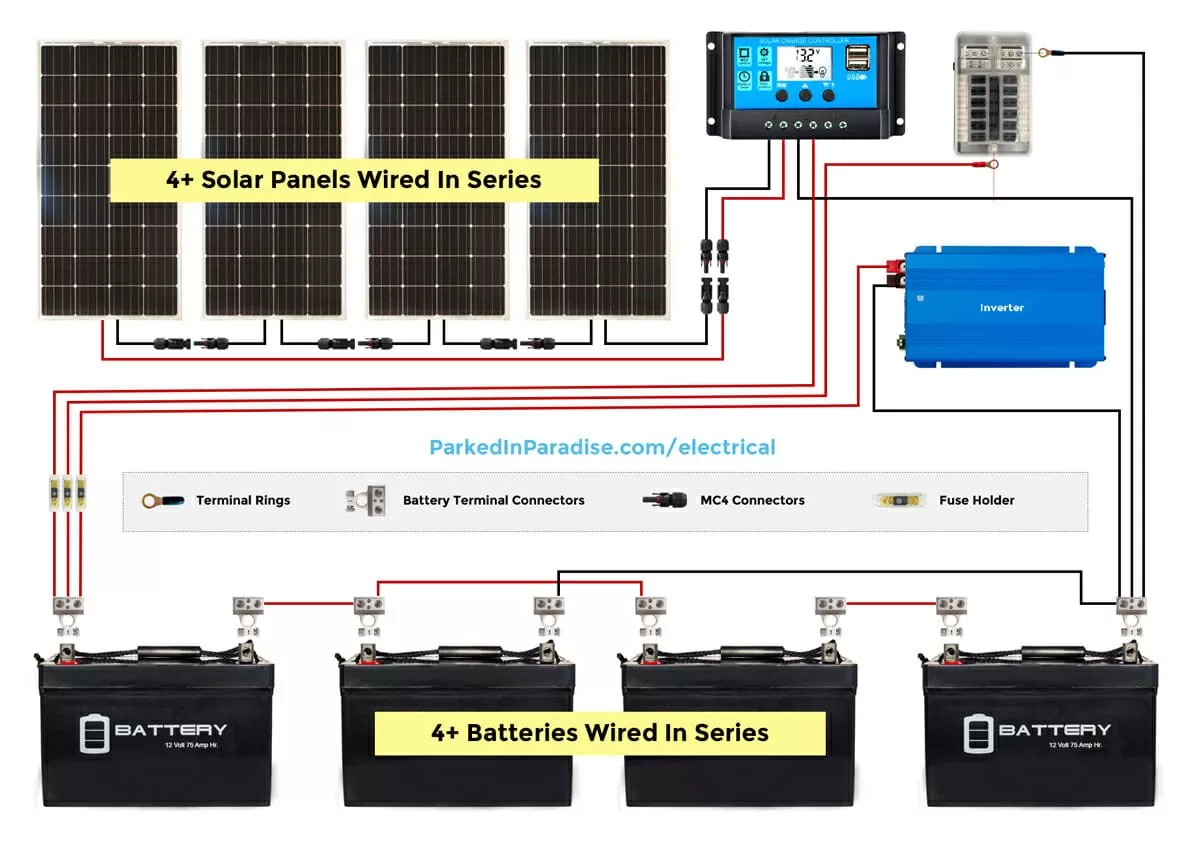
To determine how to connect solar panels effectively, several basics must be taken into account that contribute to ensuring excellent performance and maximum benefit from solar energy. Here are some key points to consider:

  1. Determining the number of solar panels:The number of panels must be determined based on the needs of the energy consumed and the capacity of the solar regulator, as choosing the capacity of the regulator correctly determines the appropriate number of panels to meet the electrical load.
  2. Solar panel voltage (Vmp) and open circuit voltage (Voc): You must know the solar panel voltage when working (Vmp) and the panel voltage at open circuit voltage (Voc), where they are multiplied The value of Vmp in the number of panels to obtain a value that is in the middle of the working voltage range of the solar charging regulator.
  3. Solar panel current (Imp):You must know the working current of the solar panel (Imp) to determine the electrical load that can be supplied.
  4. Load and battery compatibility: The power of the solar regulator must be selected according to the needs of the loads and battery capacity, ensuring that the electrical consumption of the load at night is met and the surplus energy generated by the solar panels is stored.
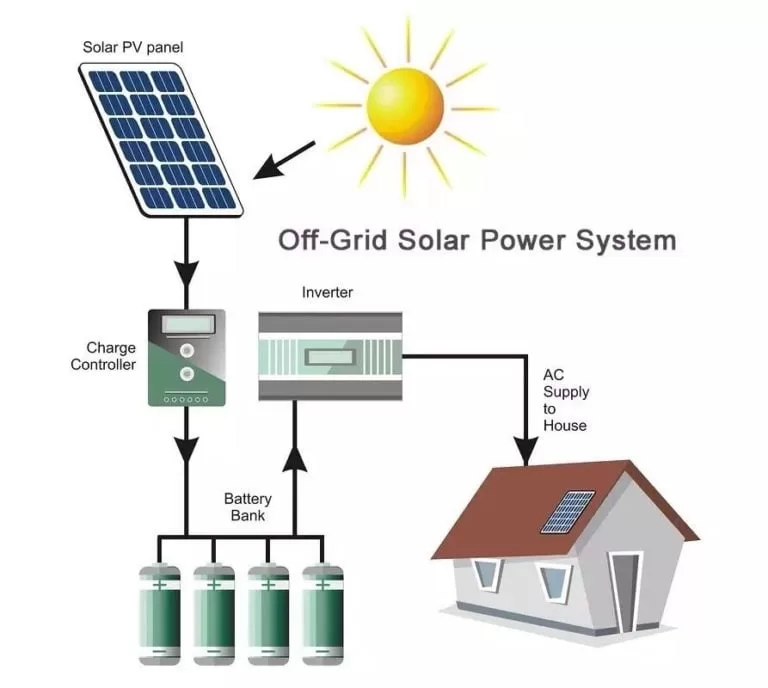
  5. Using regulators and converters: It is preferable to use solar charge regulators and voltage converters to ensure correct and efficient energy conversion.
  6. Solar inverter data: Connecting the panels requires the use of a solar inverter to convert solar energy into alternating current that can be used in the home or electrical system.

By following these basics, efficient delivery of solar panels can be achieved, contributing to maximizing the use of solar energy sustainably and economically.

Although the voltages and connection method seem correct, there are some points to consider to check the best connection of solar panels:

  1. Loss calculation: When calculating the number of solar panels, loss due to weather factors and system efficiency must be taken into account. There can be a loss in energy production due to environmental conditions, and this makes it necessary to direct calculations to take this into account.
  2. Consistency with the capacity of the regulator:The number of panels must be proportional to the capacity of the regulator, and not exceed its capacity significantly. Using an excessive number of panels may overwork the regulator and affect its performance.
  3. Determine actual need: There may be a real need to increase capacity if there are plans to expand the system in the future. However, this must be done with caution and based on actual needs to meet energy consumption
  4. Consult a specialized engineer: There may be other technical factors for which it is preferable to consult a specialized engineer to ensure system and design compatibility.

Keeping these points in mind, you can check better solar panel connectivity and achieve sustainable system performance.

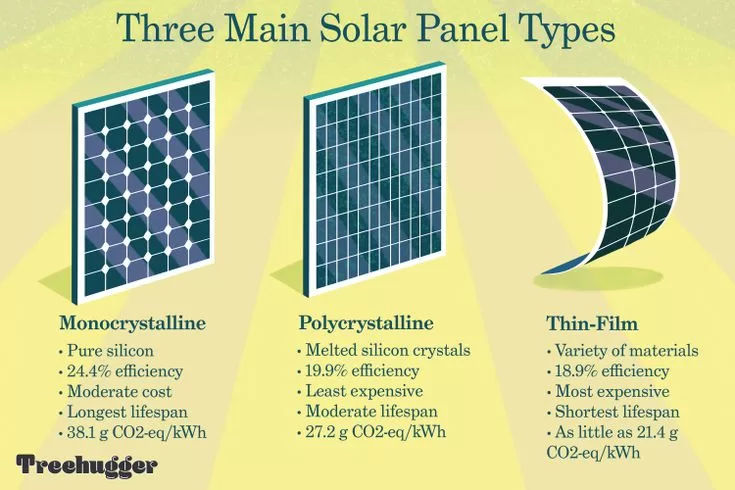
Choosing the right solar panel:

  1. Solar panel efficiency:
    • Choosing a panel depends on how efficient it is and its ability to convert sunlight into electrical energy. This is measured by the efficiency ratio, which expresses the percentage of solar light that the panel can convert into electrical energy. Choosing a high-efficiency board increases the system’s output.
  2. Available space:
    • Available space must be taken into consideration. Notice how much roof space can be devoted to installing solar panels. High-efficiency panels may be suitable for small spaces, while larger panels can be used in larger spaces.
  3. Voltage and current:
    • The solar panel voltage should be proportional to the solar charge regulator voltage. Calculate the number of panels based on the voltage needed to achieve optimal performance. The board current must also be adequate to handle the charge regulator input.
  4. Regulator capacity:
    • Determine the capacity of the solar regulator, as it must be able to handle the energy of the solar panels effectively. The number of panels can be selected based on the maximum capacity of the regulator.
  5. the cost:
    • Choosing a board also requires consideration of cost. The board should be affordable for the performance it provides. Prices may vary between different companies and models, so it is best to compare the available options.

Finally, it is always recommended to consult with a solar engineer or expert to ensure that panels are selected and connected correctly and efficiently.

Connecting and installing solar panels

Charge regulator working voltage and maximum current:

  1. Charging regulator working voltage:
    • The working voltage of a regulator relates to the voltage it can withstand without any damage. It is preferable to choose a solar panel with a voltage (Vmp) that matches the operating voltage of the regulator. The board is selected such that the operating plate voltage (Vmp) is close to the operating voltage of the regulator.
  2. Maximum current:
    • Indicates the maximum current that the charging regulator can withstand. When connecting solar panels in series, it must be ensured that the total voltage of the panels is within the limits of the working voltage of the regulator, and that the total current does not exceed the maximum value that can be accommodated by the regulator.
  3. Regulator capacity:
    • Determined by the power capacity of the regulator. Depending on the capacity of the regulator, the number of solar panels that can be connected is calculated. The power equation (power = voltage x current) can be used to ensure panels match the regulator’s power.
  4. Solar panel cost:
    • Cost must be considered when choosing solar panels. The cost of panels can affect the overall project budget. The consumer may have to look for a balance between efficiency and cost, as it is preferable to choose panels with good performance and reasonable cost.
  5. Improve efficiency:
    • Sometimes, it is preferable to invest in high-efficiency solar panels to even improve energy production in the limited space available.

Connecting the components of a solar system requires making informed and specific decisions to ensure effective performance and effectiveness of the use of solar energy. Now, let’s take a look at the points that were mentioned:

  1. Tolerance of the power produced by the solar panel:
    • The choice of a solar panel should be based on its actual production capacity and not just the rated capacity. For example, if the tolerance is +/-5W, the panel output can be 5W higher or lower than the stated value.
  2. Solar panel efficiency:
    • It is preferable to choose highly efficient solar panels to make the most of the available space. Panel efficiency refers to the percentage of energy that the panel can convert from solar radiation into electrical energy.
  3. Solar panel warranty:
    • The warranty period and conditions must be checked. Panels with a long warranty often indicate high quality and confidence in performance.
  4. Solar panel certification certificates:
    • Solar panels carry certification certificates proving that they adhere to international standards and specifications, which enhances confidence in their performance and quality.
  5. Average Operating Temperature (NOCT):
    • The temperature at which solar panels operate must be taken into account. The NOCT provides an understanding of how temperatures affect board performance.
  6. Thermal coefficients of the solar panel:
    • The thermal coefficient determines how the board responds to changes in temperature. It helps in determining the efficiency of the panel in different thermal conditions.
  7. Solar panel type:
    • The choice of solar panel depends on the needs of the system. Traditional panels and those using half-cell technology have different designs and varying performance.
  8. Solar panel data sheet:
    • You should refer to the board’s data label for exact details on its performance and specifications.

A good balance of these factors ensures effective integration and high efficiency of the solar energy system.

Connecting and installing solar panels

Steps to connect solar panels to the inverter

First, we must determine the specifications of the charging regulator inside the inverter, which is usually written inside the data sheet or on the card on the inverter. Among the important electrical specifications that must be known are:

  • The maximum solar panel power the charge regulator can handle.
  • The working voltage range of the charge regulator, and based on it, the number of solar panels that must be connected in series can be determined so that the voltage value of the series panels is in the middle of the range.
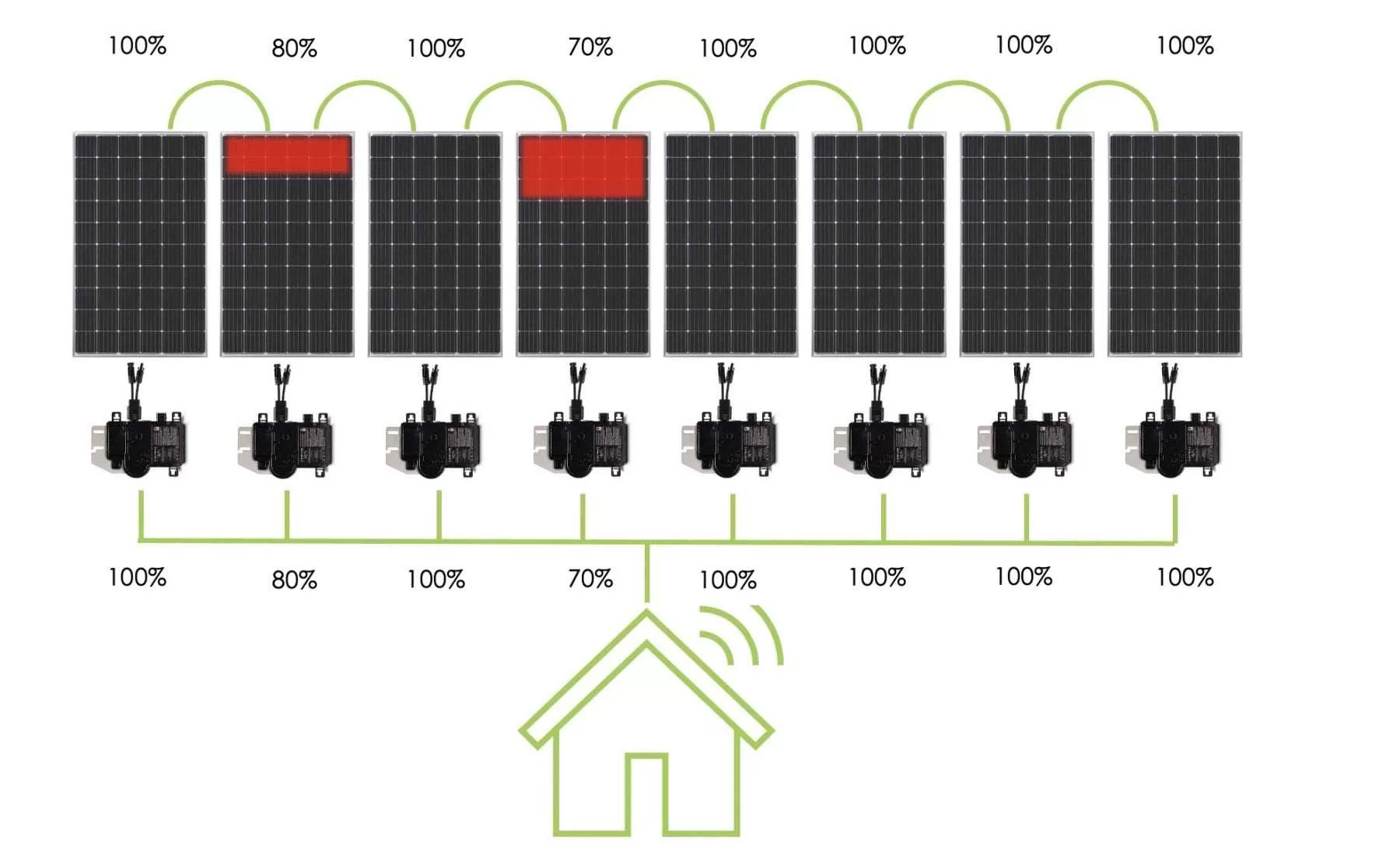
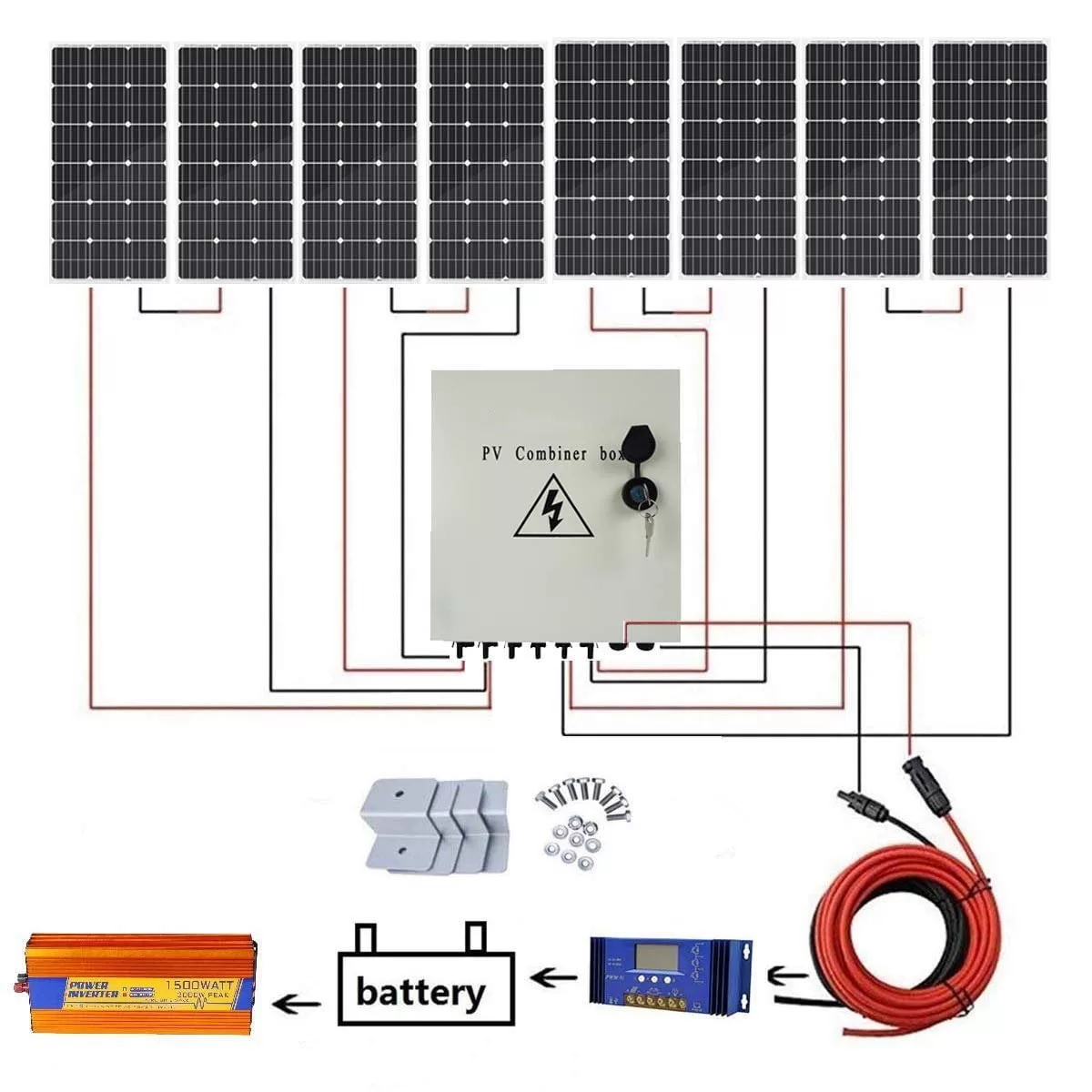
  • The maximum current that the regulator can bear, and based on the maximum value we will be able to know the number of strings that must be connected in parallel, as one string is a group of panels connected in series.
  • The panels are connected in series so that the total open circuit voltage is less than the maximum value of the charging regulator.
Solar inverter data

As can be seen from the specifications of the inverter charging regulator model “Expert MAX 3.6KW”, the number of solar panels can be determined to match the capacity of the regulator, and the set of voltage values ​​of the panels connected in series should be in the middle of the range, that is, in the range of 260 volts and up to 300 volts (where The middle value: 285 volts).


Conditions for choosing the appropriate solar panel for the inverter

It is not as some people think that any board can be chosen, but there are several conditions, which are:

  • The number of solar panels is chosen so that the value of the total power is close to the power of the charging regulator.
  • The process of connecting panels in series depends on the operating voltage range of the regulator, meaning that series connection is not done randomly, but rather on scientific and practical grounds and according to the specifications of the charging regulator.
  • The open circuit voltage of the group of panels connected in series must be less than the maximum voltage of the charging regulator.
  • If each group of panels is connected in parallel with the other, make sure that you do not exceed the maximum current value of the charging regulator.

How to connect solar panels to inverter?

Connecting and installing solar panels
home solar installation, off grid solar power, pv system cost

Here are the steps to determine the number of solar panels and how to connect them:

  • First: Divide the capacity of the charging regulator by the capacity of the available solar panel in order to obtain the number of panels needed for the system.
  • Second: Collect the voltages of the panels connected in series, and make sure that the output value is close to the middle of the working voltage range. Otherwise, you may need to choose the power of another panel with more or less voltage until you get an output close to the middle value of the range.
  • Third: If the number of panels is large, divide the number into two equal parts so that the first section is connected in parallel with the second section, but this process is done based on two things: series connection is done based on the value of the middle of the working voltage field, and parallel connection is done based on The maximum current that the charging regulator can handle.

If you have any inquiry, please contact us freely and we will be happy to serve you.
Connecting and installing solar panels

Gahzly website for purchasing electrical appliances

When we say Gahzly website, we are talking about one of the most famous Arab websites that was able, in a very short period of time, to achieve a very large demand for purchases from it by people from various parts and sectors of the Arab world.

On the Gahzly website, you will find a joint look and all the products that you may need in your home, starting with those for kitchens or bathrooms, but even those for gardens, you will find them on this wonderful site.

So, if you were lost before and did not know where to go to buy your products on the Internet, now you have the perfect solution, and all you have to do is go to the Gahzly website and start choosing the products you want.

Connecting and installing solar panelsWhat are the features of Gahzly?

Since we are talking about a site that is preferred by many people around the world, there is no doubt that it is a site full of various features and characteristics. Therefore, we have decided to devote our next paragraph to pointing out the most prominent features of the Gahzly site.

One of the most prominent features of the site is the proportionality of prices. On the Gahzly website, you do not have to worry about the imaginary prices of the products, as is the case with most sites that display their products on the Internet.

The price of delivering products is very reasonable and not expensive, and the site accepts delivery to various countries, without forgetting that it accepts free shipping on some products.

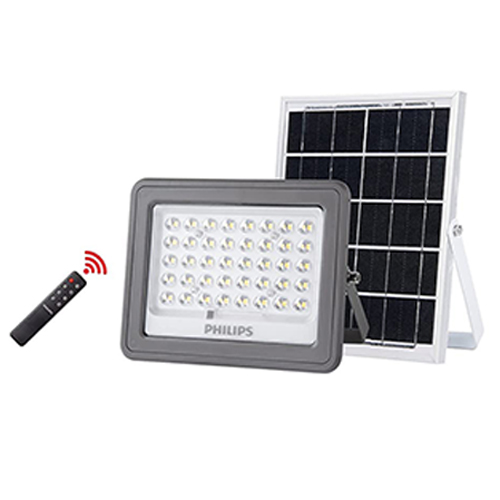
One of the features of the site is also the high quality of its products, as it is impossible to find a poor quality product. Rather, the Gahzly website deals with the major companies, Philips, for example, and other famous brands, so you must remove from your mind the idea of ​​the poor quality of one of the products. Another advantage of the site is that it does not specialize in one type of product, but rather you will find various types of products on it, for example, electrical appliances, hand tools, mechanical devices, paints, packages for establishing apartments, and many other types.

Gahzly website also accepts what is known as the shopping cart, which makes it easy for you to filter the products you want to buy and put them in one package in order to be able to pay with the click of a single button.

Accepts multiple payment methods.

Connecting and installing solar panels

We are pleased that you visit our social media pages, where we publish exclusive offers on our website.

Our Facebook page Here.

Our Twitter account Here.
Leave a Reply