


Schneider

Price range: 1.303,70 EGP through 6.182,50 EGP
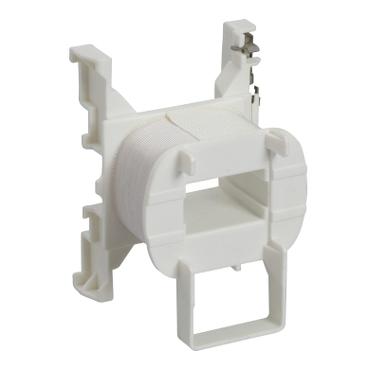
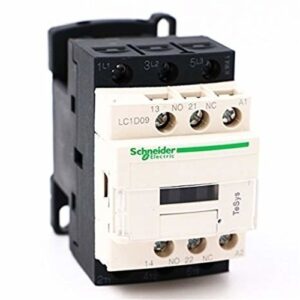
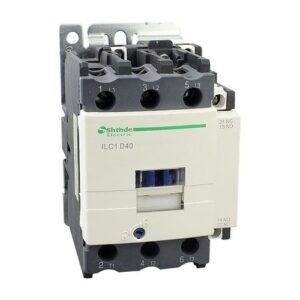
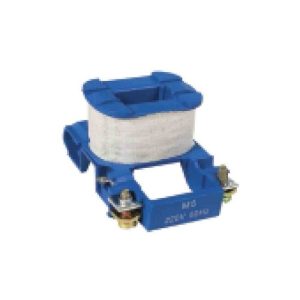
Comprehensive guide to Schneider contactor coils: electrical architecture, magnetic-generation mechanisms, and control engineering
Introduction to contactor coil systems
In electrical-panel engineering and automation, safely controlling high-power circuits through low-voltage control signals is essential for personnel safety and equipment stability. The contactor coil, also referred to as the electromagnet, converts electrical energy into the magnetic force needed to pull in the main contacts and energize industrial loads. Schneider Electric coils are designed for different AC and DC control voltages, with attention to energy efficiency and limiting heat losses inside control panels.
Electrical and physical architecture of Schneider contactor coils
Engineering design of windings and high-purity copper
Schneider contactor coils use high-purity copper windings with insulation designed to withstand elevated temperatures and the electrical stress of frequent switching. The winding is formed around a magnetic iron core designed to reduce eddy-current and thermal losses, supporting a strong and stable magnetic field when energized.
Compatibility with AC and DC voltages
These coils are engineered for industrial control networks and are available for multiple operating voltages, including alternating current (AC) and direct current (DC). This allows engineers to select the correct coil for circuits operating at 24 V, 110 V, 220/380 V, or other specified control voltages and facilitates integration with PLC systems and control power supplies.
Please sign in to submit a product report.
Technical specifications
A single structured view of reviewed Product Entry data and canonical WooCommerce specifications.
- Size
- D9/D38، D40/D65، D40/D95، D115/D150
- Description
- Reviews
Description
Comprehensive guide to Schneider contactor coils: electrical architecture, magnetic-generation mechanisms, and control engineering
Compatibility with AC and DC voltages
These coils are engineered for industrial control networks and are available for multiple operating voltages, including alternating current (AC) and direct current (DC). This allows engineers to select the correct coil for circuits operating at 24 V, 110 V, 220/380 V, or other specified control voltages and facilitates integration with PLC systems and control power supplies.
Magnetic-generation mechanisms and mechanical pull-in process
Converting electrical energy into mechanical motion
When the specified operating voltage is applied to the coil terminals, current flows through the winding and creates magnetic flux according to electromagnetic principles. This magnetic flux attracts the moving part of the iron core toward the fixed part, producing rapid mechanical motion that closes the main contacts and connects power to the industrial load.
Preventing vibration and magnetic resonance
In AC coils, Schneider uses shading coils (Shading Coils) on the magnetic core to reduce vibration and humming associated with alternating-current frequency. This helps keep the core stable while energized continuously and reduces mechanical wear.
Technical specifications and functions table
| Technical specification | Primary function | Practical benefit to the user |
|---|---|---|
| High-purity copper wires with double insulation | Safe current conduction and magnetic-field generation. | Long service life and strong resistance to thermal rise. |
| Compatibility with AC and DC voltages | Operation from different control power sources. | High flexibility when connecting the contactor to available control circuits. |
| Precisely designed magnetic iron core | Concentrates magnetic flux lines to improve pull-in efficiency. | Fast response and reduced coil power consumption. |
| Shading coils for AC coils | Reduce vibration and resonance during continuous energization. | Quiet, stable operation that helps protect adjacent mechanical components. |
| High-grade thermal insulation (Class F/H) | Protects the coil from overheating under demanding operating conditions. | Supports reliability and safety in heavy industrial environments. |
Objective advantages and limitations
Key advantages:
High energy efficiency: reduces thermal losses inside enclosed control panels.
Multiple operating voltages: available in various AC and DC voltage ratings to suit different designs.
High operating reliability: designed for a large number of switching cycles when used within its ratings.
Easy replacement: some series allow a damaged coil to be replaced without replacing the entire contactor.
Disadvantages and limitations:
Sensitivity to voltage variation: voltage above or below the coil rating can cause overheating, coil damage, or incomplete pull-in.
Effect of ambient temperature: very high temperatures inside uncooled panels can shorten the life of the coil insulation.
Suitable and unsuitable applications
Ideal applications:
Operating main contactors in automated control panels and motor control centers (MCC).
Applications requiring frequent and rapid switching of industrial and commercial loads.
Automation systems requiring accurate matching between PLC output voltage and operating coils.
Critical industrial lines requiring high reliability and continuity of operation.
Unsuitable applications:
Operating the coil at a voltage different from its marked rating, such as connecting a 110 V coil to 220 V.
Use in very humid or chemically corrosive environments without suitable external protection.
Safe operation and installation method
Complete electrical isolation: isolate the control panel and disconnect all power sources before inspecting or replacing the coil.
Checking coil voltage: verify that the new coil voltage exactly matches the available control-circuit voltage.
Removing and installing the coil: carefully remove the contactor cover, replace the damaged coil with the correct original part, and make sure it is seated securely around the magnetic core.
Connecting wire terminals: tighten the control-circuit wires securely to coil terminals (A1 and A2) to prevent loose connections and arcing.
Final engineering check: restore power and test contactor response and magnetic pull-in operation.
Important safety warning: applying a voltage above the coil rating can quickly overheat and damage the coil, while insufficient voltage may prevent complete pull-in and cause dangerous heating.
Maintenance, cleaning, and extending service life
Periodic voltage check: verify that the control-circuit voltage remains stable and free from abnormal dips or surges.
Regular dry cleaning: remove dust and debris around the magnetic core using clean, dry compressed air.
Operating-temperature monitoring: check for abnormal heating caused by incomplete closure of the contactor magnetic core.
Important advice before purchase
Identify the coil voltage accurately: confirm whether the available control supply is AC or DC and its voltage value before ordering.
Choose genuine parts: use original coils to ensure mechanical and electrical compatibility with the contactor and dependable support.
Review current consumption: make sure the control power source can supply the coil’s inrush current (Inrush Current) for reliable operation.
Comprehensive conclusion
The Schneider contactor coil is a fundamental component of an automated control system, converting electrical control signals into magnetic force that operates the contacts. Its engineered magnetic circuit, insulated copper windings, and range of operating voltages support stable performance in industrial panels. Correct coil selection, genuine parts, and proper maintenance help improve system reliability and safety over the long term.
Be the first to review “Schneider”
You must be logged in to post a review.
Product Questions & Answers
No questions yet. Ask the supplier about specifications, compatibility, certifications or installation requirements.

Reviews
There are no reviews yet.